Reframing Spiritual Growth Through Sabbath, Stillness, and Rootedness
Primary Texts: Matthew 11:28–30; Genesis 2:1–3; John 15:1–8; Luke 5:15–16; Ecclesiastes 3:1
For many of us, the word growth carries weight. Growth suggests progress, momentum, measurable change. Somewhere along the way, spiritual growth began to feel like one more metric to manage—pray more, read more, serve more, try harder.
Jesus offers a different starting point.
“Come to Me, all who labor and are heavy laden, and I will give you rest… and you will find rest for your souls.” (Matthew 11:28–29)
Rest is not a detour from formation; it is an invitation into it. In Scripture, God does His deepest work not through hurry, but through abiding. As winter slows the world around us, it confronts us with a faithful question: What if growth doesn’t always look like doing more? What if sometimes growth looks like rest?
Key Takeaways
Spiritual growth in Scripture is measured by abiding, not activity (John 15:4–5).
Rest is obedience before it is comfort (Exodus 20:8–11).
God often works most deeply in hidden seasons (Ecclesiastes 3:1).
Jesus modeled rest under pressure, not only after success (Luke 5:16).
Formation precedes mission; being comes before doing (Mark 3:14).
God’s Pattern: Rooted, Not Rushed
From the beginning, God establishes a rhythm that resists our performance instincts.
“Thus the heavens and the earth were finished… And on the seventh day God rested.” (Genesis 2:1–2)
God’s rest was not recovery from fatigue; it was the completion of creation. Sabbath is woven into creation itself, not added later as a concession for weakness. This same rhythm appears in Jesus’ life and teaching.
An Exegetical Moment: Abide Before You Produce
In John 15, Jesus says:
“Abide in Me, and I in you… Whoever abides in Me and I in him, he it is that bears much fruit.” (John 15:4–5)
Branches do not strain to produce fruit. They remain connected. Abiding is the command; fruit is the consequence. When we reverse this order—chasing fruit to prove connection—we exchange formation for performance.
Spiritual growth, biblically speaking, is less about acceleration and more about dependence.
One Invitation, Five On-Ramps
Simplicity recognizes that people arrive with different stories and burdens. The invitation to rest meets each place differently—but leads everyone to trust.
1. The Spiritually Curious or Deconstructing (Psalm 62:1)
“For God alone my soul waits in silence.”
If faith has felt heavy or manipulative, rest may be your first step back to honesty. God is not asking you to perform your way into belief. Sabbath teaches us that faith begins with receiving, not achieving.
Rest is permission to stop pretending.
2. The Wounded or Weary Believer (Isaiah 30:15)
“In returning and rest you shall be saved; in quietness and in trust shall be your strength.”
Hidden seasons are not signs of disqualification. Throughout Scripture, God forms people in desolate places. Winter is not punishment; it is protection. Roots deepen in the dark.
3. The Committed Disciple (Mark 3:14)
“And He appointed twelve… so that they might be with Him.”
Before Jesus sent the disciples to preach, He called them to be with Him. Rest preserves discipleship from becoming drivenness. Discipline without abiding leads to exhaustion; obedience rooted in rest leads to joy.
4. The Leader, Builder, or Entrepreneur (Luke 5:15–16)
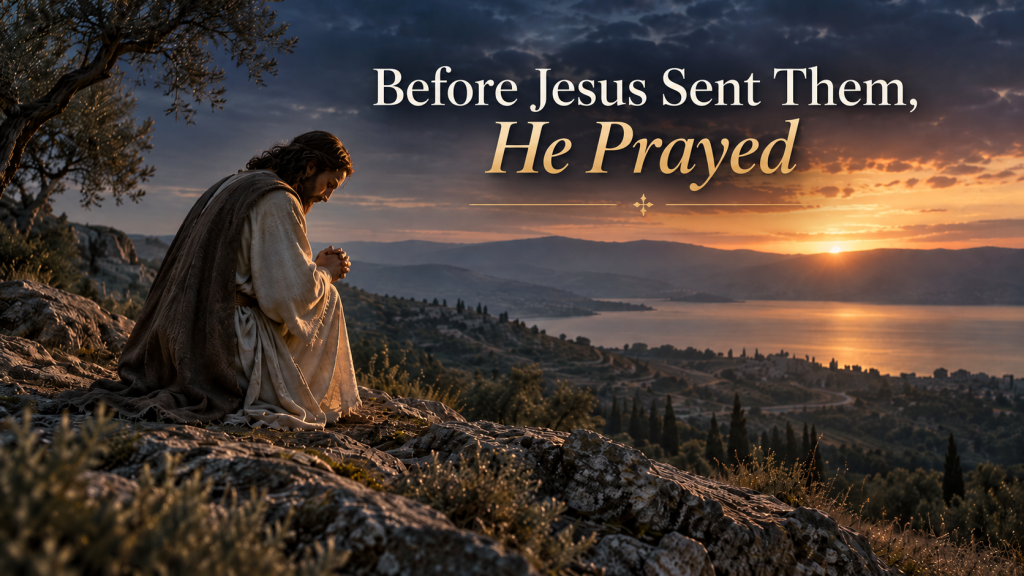
“But He would withdraw to desolate places and pray.”
Crowds increased. Needs multiplied. Jesus withdrew anyway. Rest is not poor leadership—it is faithful stewardship. What leaders refuse to practice privately, they normalize publicly.
5. The Sent and Searching (Ecclesiastes 3:1)
“For everything there is a season.”
Waiting seasons are often commissioning seasons. God clarifies calling in stillness. Silence is not absence; it is preparation.
Jesus Resting Under Pressure
Scripture shows us when Jesus rested, not just that He did:
Luke 5:15–16 — As crowds grew, Jesus withdrew.
Mark 1:35–38 — With unmet needs everywhere, Jesus chose prayer over urgency.
Matthew 14:13 — In grief and exhaustion, Jesus sought solitude.
Rest was not retreat; it was alignment.
What Rest Is Not (Biblical Guardrails)
Rest is not:
Avoidance of obedience (James 2:17)
Withdrawal from community (Hebrews 10:25)
Passivity disguised as peace (Jonah 1)
True rest draws us toward God’s will, not away from it.
Winter as a Teacher (Ecclesiastes 3:1)
Nature does not rush fruit in January. Scripture affirms what creation models: growth has seasons. Wilderness, exile, and hidden years are all classrooms God uses. Winter strips excess, protects vulnerability, and prepares future fruit.
Winter is not a setback. It is often a strategy.
Three Rest-Based Spiritual Rhythms to Practice This Winter
1. A Weekly Stop Day (Exodus 20:8–11)
Sabbath declares that God is provider. Choose a day (or half-day) to stop striving—Scripture without agenda, prayer without performance.
2. Daily Stillness (5–10 Minutes) (Psalm 46:10)
Sit. Breathe. Be present. Let your body learn what your theology already knows: God is near.
3. Release One Self-Imposed Pressure (Matthew 6:33–34)
Name the expectation God never gave you. Surrender it. Trust that God grows what you release.
A Different Kind of Growth
God is not behind schedule. Growth that lasts is rarely rushed—it is rooted. This winter, the most faithful thing you may do is rest.
Key Takeaways: Biblical Rest for Spiritual Growth
Lord, teach us to trust You enough to stop. Free us from striving and form us in abiding. Let our rest be worship and our stillness become strength. Amen.
FAQs
Is rest an excuse for spiritual laziness?
No. Biblical rest is commanded, practiced by Jesus, and rooted in trust.
How does rest fit with discipline and obedience?
Rest grounds discipline in identity. Abiding precedes fruitfulness.
What if my season doesn’t allow much rest?
Rest is not perfection. Small, faithful pauses recalibrate the soul.
How do I know if this message is for me?
If you feel weary, pressured, or quietly longing for simplicity, it likely is.